 GensetPedia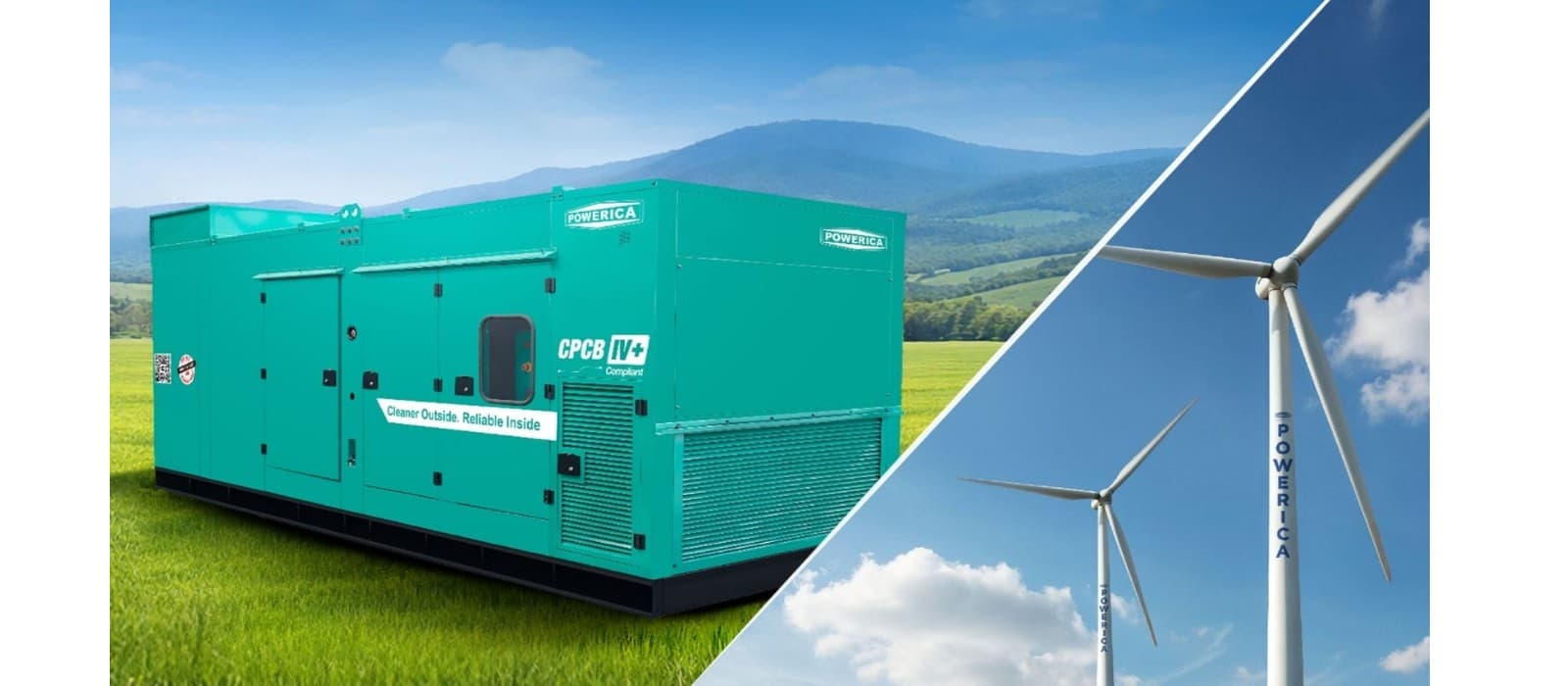
Powerica's ₹1,100 Crore IPO: What a Newly Listed Genset Manufacturer's Financials Reveal
GensetPedia Technical Desk · · 7 min read
The take
Powerica Limited, a Cummins-engine-powered diesel generator-set manufacturer, listed on the NSE and BSE in April 2026 and disclosed FY26 revenue of ₹3,011.52 crore -- its first year crossing ₹3,000 crore, with the genset business alone contributing 83.1% of that. Because most genset manufacturers in India are privately held, a listed company's audited financials are a genuinely rare window into what this industry's economics actually look like at scale: margins, growth rates, dealer-network size, and manufacturing capacity, all disclosed in public regulatory filings rather than estimated by a third party.
Most of what gets written about India's diesel generator industry — including most of the market-sizing pieces on this site — comes from third-party research firms estimating the size and shape of a market from the outside. Powerica Limited's listing on the NSE and BSE in April 2026 offers something different: one specific, identifiable manufacturer's own audited numbers, disclosed because securities regulation requires it, not estimated by an analyst.
What the company actually does
Powerica's core business is diesel generator sets running on Cummins engines, spanning 7.5 kVA to 3,750 kVA — a range covering the LHP, MHP, and HHP classes tracked elsewhere on this site. The company describes its OEM relationship with Cummins as more than 40 years old, formalized most recently under a non-exclusive general supply agreement dated June 2025. Beyond the core DG-set business, Powerica also runs a Medium Speed Large Generators (MSLG) division built on a separate, non-exclusive partnership with Hyundai Heavy Industries — single-unit installations from 3,000 kVA to 10,000 kVA for refineries, nuclear plants, and similarly demanding sites, the segment covered in more depth in our MSLG explainer. A smaller "Allied Business" line covers EMI shelters and military-grade DG sets for defence applications, plus manufacturing and service of Schneider Electric's PRISMA control panels. Separately, and unrelated to any of this, the company also runs a wind-power independent power producer and EPC business — a reminder that a diversified industrial group's stock ticker doesn't tell you what specific business is actually driving its numbers without reading the segment breakdown.
The numbers, and what they show about the genset business specifically
For the fiscal year ended March 31, 2026, Powerica reported consolidated revenue of ₹3,011.52 crore, up 13.5% year-on-year and the first time the company crossed the ₹3,000 crore mark. Of that, the Generator Set business contributed 83.1% (roughly ₹2,502 crore), growing 10.9% year-on-year with a 9.1% EBITDA margin. The Wind Power business made up the remaining 16.9%, growing faster (28.6% YoY) off a smaller base, with a considerably richer 31.3% EBITDA margin — a genuinely different economic profile from the genset business, reflecting how differently the two segments are structured (product manufacturing and dealer sales versus long-term power purchase agreements).
Management's own framing of the near-term outlook is worth noting for anyone reading this as a proxy for genset demand broadly: the company flagged "geopolitical uncertainties, rising energy prices, and supply chain pressures" as beginning to weigh on demand from Q1 FY27 onward, while still citing structural tailwinds — increasing electrification, EV ecosystem expansion, and data centre investment — as the basis for a "double digit topline growth" target for FY27. That's one company's stated expectation, not a market forecast, but it's a useful data point precisely because it's a real operator's own read on demand, not an outside estimate.
Manufacturing footprint and go-to-market
Powerica manufactures across three facilities: Bengaluru (DG sets, installed capacity of just under 9,000 units a year as of FY26), Silvassa (DG sets and PRISMA control panels), and Khopoli (military-grade DG sets, EMI shelters, and canopies, with additional land available for future expansion). Its go-to-market runs through 19 sales and marketing offices, a sales and marketing team of 122, and a network of 40 authorized dealers as of December 2025 — a real, disclosed figure for the size of one manufacturer's own dealer network, useful context alongside the dealer directory coverage elsewhere on this site.
Why a listing like this is useful context, not just company news
Nothing here changes how a buyer should size or choose a genset — Powerica is one manufacturer among many, and its listing doesn't make it more or less suitable for any given need than any other Cummins-partnered OEM. What it does provide is a genuinely rare, audited data point for anyone trying to understand the economics of this industry at scale: real margins (an EBITDA margin around 9% for the core genset business), real growth rates, and real numbers for manufacturing capacity and dealer-network size, all disclosed because the company is now a public entity rather than estimated from the outside. For readers trying to understand India's genset industry as a business, not just as a product category, that's worth knowing exists.
Market and financial figures in this article are compiled from Powerica Limited's own investor presentation and stock exchange disclosures, and are presented for informational context.
Why it matters
Most of what's written about India's genset market -- including most of the market-sizing content on this site -- comes from third-party research firms estimating a market from the outside. A newly listed manufacturer's own audited results are a different kind of source entirely: real revenue, real margins, and real growth numbers for one specific, identifiable company, disclosed because securities law requires it. That's useful context for understanding the industry's actual economics, distinct from (and a genuine complement to) market-wide estimates.
Frequently asked questions
What is Powerica Limited and what does its IPO reveal about India's genset industry?+
Powerica Limited is a diesel generator-set manufacturer, powered by Cummins engines (7.5 kVA to 3,750 kVA), that listed on the NSE and BSE in April 2026, raising ₹1,100 crore. Its public financial disclosures -- FY26 revenue crossing ₹3,000 crore for the first time, with the generator-set business contributing 83.1% of that revenue -- offer a rare, audited look at what running a large-scale genset manufacturing and dealer-network business in India actually looks like, information that's normally private for most manufacturers in this space.
How much of Powerica's business comes from diesel gensets versus other segments?+
The Generator Set business division accounted for 83.1% of Powerica's FY26 revenue (roughly ₹2,502 crore), growing 10.9% year-on-year. The remaining 16.9% came from its Wind Power business, an independent power producer and EPC segment that is unrelated to its genset manufacturing -- a reminder that diversified industrial groups can carry multiple, largely independent business lines under one listed entity.
Who manufactures Powerica's diesel generator sets?+
Powerica's diesel generator sets run on Cummins engines under a partnership the company describes as more than 40 years old, formalized under a non-exclusive general supply agreement with Cummins India. Powerica manufactures at three facilities -- Bengaluru, Silvassa, and Khopoli -- with installed capacity of nearly 9,000 DG sets a year at its Bengaluru plant alone as of FY26.
Does Powerica sell gensets across multiple size classes?+
Yes. Its core DG Sets business covers 7.5 kVA to 3,750 kVA, spanning the LHP, MHP, and HHP classes. Above that, its Medium Speed Large Generators (MSLG) business -- built on a separate, non-exclusive partnership with Hyundai Heavy Industries since 2014 -- covers 3,000 kVA to 10,000 kVA single-unit installations for refineries, nuclear plants, and similarly demanding sites, the same MSLG category covered in our separate explainer.
Found this useful?
Follow GensetPedia on LinkedIn for more genset buying guides and industry data.
Get the weekly digest
New buying guides and market data, once a week — no spam.