 GensetPedia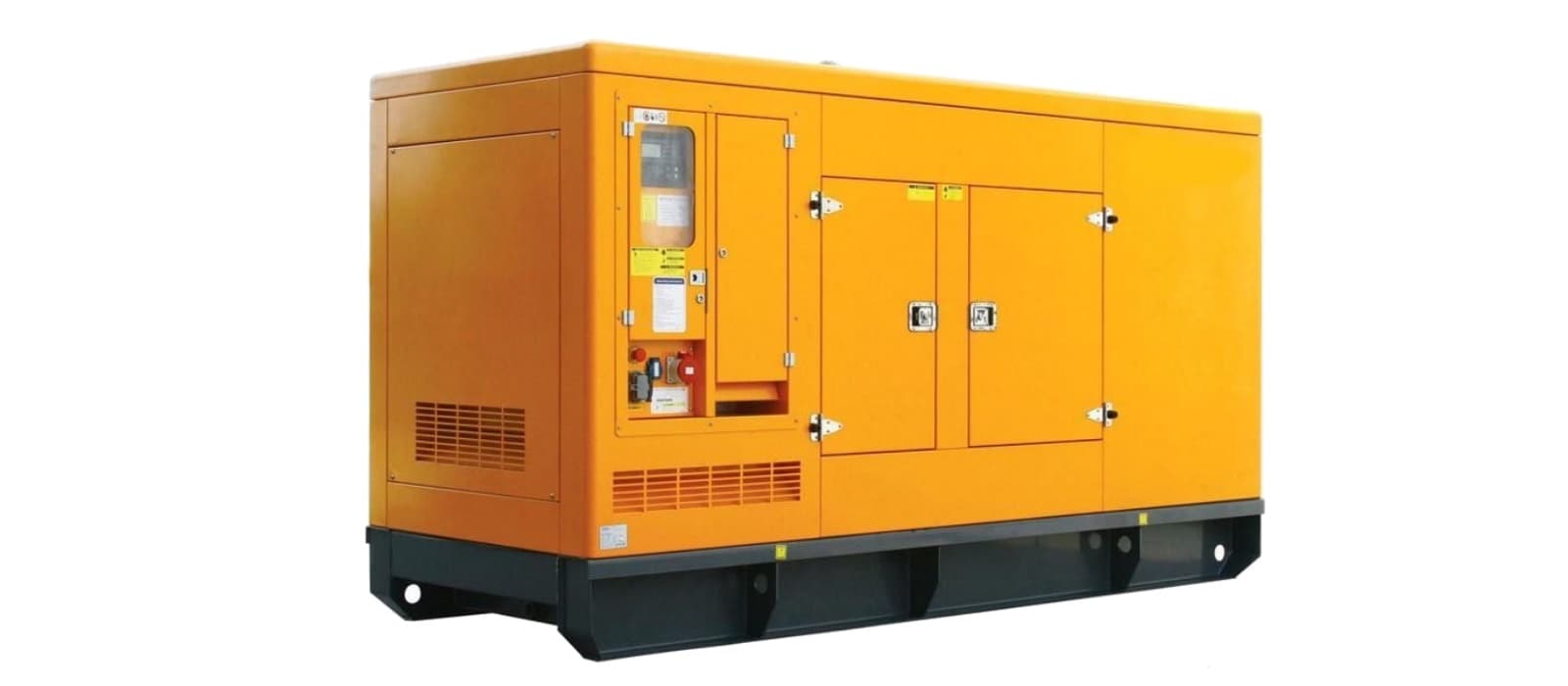
Why EV Charging Stations in India Are Turning to Diesel Generators for Backup Power
GensetPedia Technical Desk · · 8 min read
The take
India's public EV charging network is projected to grow from around 20,000 stations today to 100,000-150,000 by 2030, with peak power demand climbing to roughly 10.8 GW — a 24.6% CAGR, the second-fastest-growing power demand segment after IT/data centres. That scale of growth, concentrated around high-capacity DC fast chargers, is adding real stress to local grids, and station operators are increasingly deploying diesel generators as standby power to maintain reliability during outages.
EV charging infrastructure gets covered constantly from the demand side — how many EVs, how much range, how fast the charging. What gets less attention is the supply-side reality: a charging station is only as useful as its own power reliability, and that's turning into a genuinely significant new segment for backup power in India.
The scale of what's coming
India's public EV charging network currently comprises roughly 20,000 stations hosting an estimated 75,000 individual chargers. That's projected to grow to nearly 100,000-150,000 stations with around 375,000 chargers by 2030 — a five-to-seven-fold increase in station count over the same period most of India's grid infrastructure planning operates on much longer timelines. Peak power demand from EV charging specifically is projected to climb from roughly 3.6 GW in FY2025 to approximately 10.8 GW by FY2030, a 24.6% compound annual growth rate — the second-fastest-growing power demand segment in the country after IT/data centres, and comfortably ahead of the industrial, commercial, and agriculture sectors covered in our market overview.
Why DC fast chargers specifically are the pressure point
Not all EV charging infrastructure stresses the grid equally. The growth driving this demand curve is disproportionately concentrated in high-capacity DC fast chargers deployed in urban centres and along highways — chargers designed to deliver a large amount of energy in a short window, which means drawing a large, often spiky electrical load rather than a steady, predictable one. This kind of load profile is genuinely harder on local grid infrastructure than most conventional commercial power draws, and it adds considerable stress to local grids, increasing the risk of outages at exactly the high-throughput charging hubs where reliability matters most for driver confidence in the network.
EV charging exists to cut fossil-fuel dependency, yet the stations themselves are being built on a grid unreliable enough that they increasingly need diesel backup to actually work.
The reliability paradox at the center of EV infrastructure
There's a structural irony worth naming directly: EV charging infrastructure exists to support a transition away from fossil-fuel dependency, but the charging stations themselves are being built in a grid environment where reliability is inconsistent — the same regional power deficit patterns covered in our outage data breakdown apply just as much to a charging station's neighborhood as to any other commercial site. A charging network that goes dark during exactly the kind of outage periods that make grid-independent transport appealing in the first place undermines its own value proposition. That's the practical logic pushing station operators toward standby power solutions.
How operators are actually responding
Especially in regions with weaker grid infrastructure, station operators are increasingly deploying standby diesel generators, often complemented by battery energy storage and solar-hybrid systems, to maintain service reliability and uptime commitments. As charging stations scale up in both number and individual capacity, the demand for reliable, scalable backup power solutions — and diesel gensets remain the most proven and immediate option for that role — is expected to grow in step with the charging network itself, not as an afterthought bolted on later.
This connects to a broader pattern worth noting: India's total electricity consumption was already climbing steadily even before accounting for EV-specific demand — 148.48 billion units in March 2025, up from 144.25 billion units in April 2024 — underscoring that EV charging infrastructure is layering fast-growing new demand onto a grid that's already managing real capacity pressure nationally.
Where EV charging sits in the broader DG market today
In the DG industry's own end-user classification, EV charging currently falls within a broader "Others" category — alongside petrol pumps and rental applications — that collectively accounts for roughly 7-8% of overall genset demand. That's a modest slice today, but it's worth reading in context: this is one of the newest sub-segments in that bucket, growing off a small base at nearly triple the rate of the DG market overall, and it's the kind of category that tends to earn its own line item in industry classifications once it scales further, the same way IT/data centres graduated from a niche to a headline segment over the past few years.
Why this is a genuinely different sizing conversation
A charging hub's backup power requirement doesn't map cleanly onto the sizing frameworks covered in our other buying guides, which generally assume a fairly predictable connected load — lighting, HVAC, standard equipment. A charging station's load depends on how many vehicles are actively fast-charging at once, which fluctuates by time of day and can spike sharply during peak commuting hours or along a highway corridor during a holiday travel period. That variability, combined with the sheer power draw of a single DC fast charger, means backup sizing for this use case benefits from actual utilization data and load-pattern modeling rather than a straightforward appliance-list calculation — closer in spirit to the redundancy planning covered in our data center sizing guide than to a standard commercial sizing exercise.
The policy backdrop supporting this shift
This growth isn't happening in a policy vacuum. Government support for EV adoption — infrastructure incentives, charging network expansion targets, and supportive regulatory frameworks — is explicitly cited as a driver of the sector's rapid growth alongside rising vehicle penetration itself. That policy push creates an interesting tension worth naming: the same government agenda accelerating EV adoption for environmental reasons is, in the near term, also driving real new demand for diesel backup power at the charging stations making that adoption possible. This isn't a contradiction so much as a practical reality of infrastructure transitions — the charging network has to be reliable before EV adoption can scale with public confidence, and today, reliable means diesel-backed in a meaningful share of installations, alongside the battery and solar-hybrid systems gradually taking a growing complementary role.
What this means for gensets specifically
EV charging represents a genuinely new end-user category for backup power providers and dealers — distinct from the established commercial, telecom, and manufacturing segments that have historically dominated genset demand. The sizing considerations are also somewhat different: unlike a hospital or office building with a relatively predictable connected load, a charging hub's load profile is driven by how many vehicles are actively fast-charging simultaneously, which argues for careful capacity planning with an experienced dealer rather than a generic sizing assumption. If you're an EV charging operator or developer evaluating backup power for a new site, that's a conversation worth having early in the planning process — find a dealer experienced with commercial-scale installations through our directory, and use our load calculator as a starting reference point for the conversation.
Market figures in this article are compiled from third-party industry research (CEA, industry analysis) and are presented for informational context — always verify current figures and site-specific requirements with a qualified consultant.
Why it matters
EV charging infrastructure is often discussed purely as a demand-side transition away from fossil fuels, without acknowledging the supply-side reality: charging stations themselves need continuous, reliable power to function, and a station that goes dark during a grid outage defeats its own purpose. For genset dealers and buyers, this is a genuinely new and fast-growing end-user segment worth understanding on its own terms, not an afterthought category.
Frequently asked questions
Why do EV charging stations need diesel generator backup?+
EV charging stations, particularly those with high-capacity DC fast chargers, draw large and often spiky electrical loads that stress local grid infrastructure — especially in areas with weaker grid reliability. A power outage at a charging station means no charging at all, which defeats the reliability promise EV infrastructure needs to build public trust. Station operators increasingly deploy diesel gensets, often complemented by battery storage or solar-hybrid systems, to maintain service continuity.
How much power will EV charging demand in India by 2030?+
EV charging power demand is projected to grow from roughly 3.6 GW in FY2025 to about 10.8 GW by FY2030 — a compound annual growth rate of 24.6%, the second-fastest-growing demand segment in India's power landscape after IT/data centres, driven by increasing EV penetration and supportive government policy.
How many EV charging stations does India expect by 2030?+
India's public EV charging network is projected to grow from around 20,000 stations today, hosting roughly 75,000 individual chargers, to nearly 100,000-150,000 stations with approximately 375,000 chargers by 2030 — a scale of growth that significantly outpaces typical grid infrastructure expansion timelines in many regions.
Found this useful?
Follow GensetPedia on LinkedIn for more genset buying guides and industry data.
Get the weekly digest
New buying guides and market data, once a week — no spam.