 GensetPedia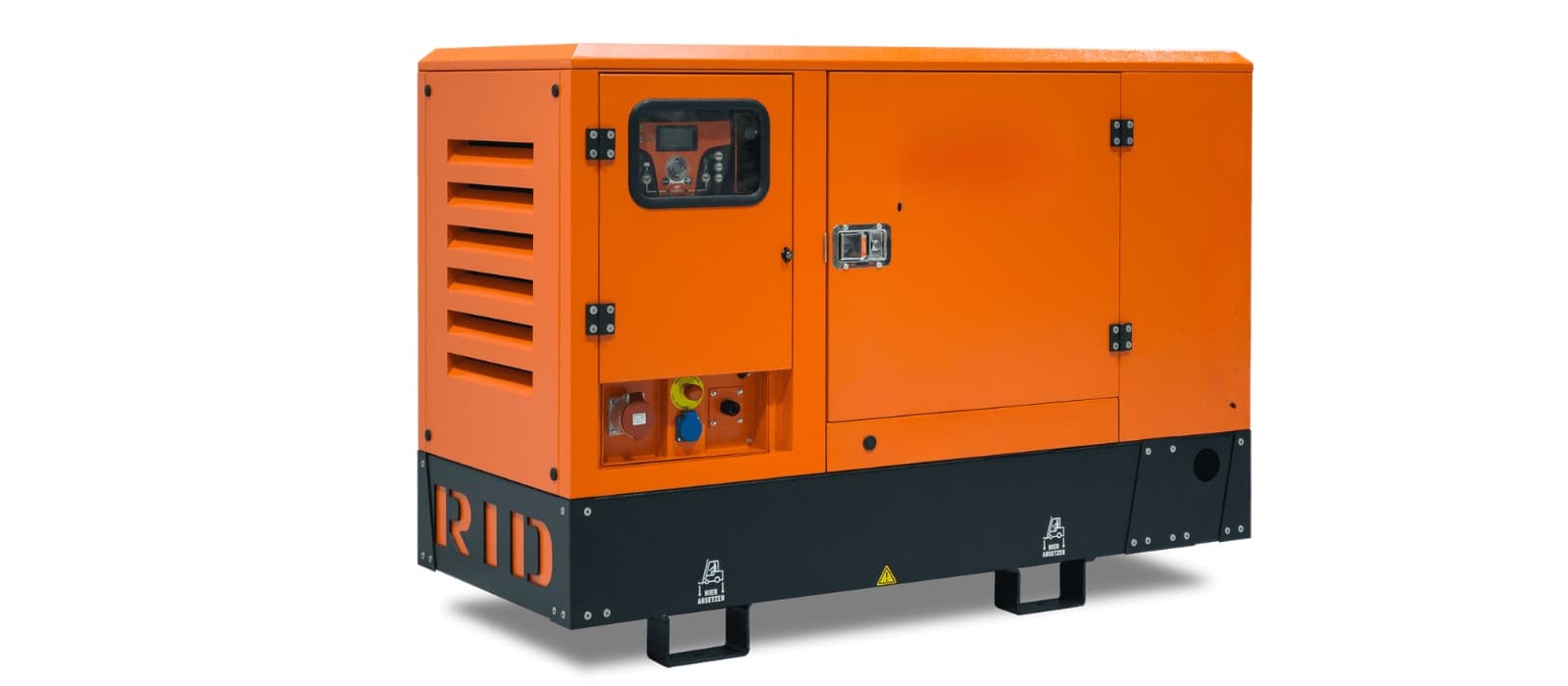
LHP, MHP, and HHP Gensets Explained: India's Capacity Classes and Where Each Fits
GensetPedia Technical Desk · · 9 min read
The take
India's diesel generator market splits into three capacity classes — Low Horsepower (7.5-160 kVA), Medium Horsepower (180-500 kVA), and High Horsepower (above 500 kVA) — and each one serves a genuinely different buyer with different lifespan expectations, competitive dynamics, and dominant end-use. Knowing which class your requirement falls into changes which brands, which price competition, and which lifespan numbers are actually relevant to your decision.
Most genset buyers think in terms of a single number — the kVA rating they've calculated they need — without realizing that number places them into one of three structurally different markets, each with its own dominant buyers, competitive dynamics, and realistic lifespan expectations.
The three classes, at a glance
India's DG market is conventionally split into three capacity bands:
- Low Horsepower (LHP): 7.5-160 kVA — compact, fuel-efficient sets for small-to-medium applications, with an operational lifespan of 15,000-20,000 hours (roughly 10-15 years with proper maintenance).
- Medium Horsepower (MHP): 180-500 kVA — a balance of capacity, efficiency, and reliability for mid-sized commercial and industrial backup, running 20,000-25,000 hours (12-18 years).
- High Horsepower (HHP): above 500 kVA, commonly up to 3,000+ kVA — heavy-duty sets for large-scale industrial and critical infrastructure applications, with the longest lifespan at 25,000-35,000 hours.
The lifespan progression isn't incidental — it reflects genuinely different engineering, duty cycles, and maintenance regimes at each tier, not just a bigger engine in the same box.
LHP: the largest, most fragmented, most price-sensitive class
LHP is the highest-volume segment in the market, and also the most competitive on price — an estimated 30-40% of this segment is served by the unorganized market, since simpler technology at this scale lowers the barrier to entry for smaller manufacturers. This is the class most individual homes, small apartment complexes, gated communities, small retail shops, offices, clinics, and rural or semi-urban buyers shop in. It's also disproportionately important to telecom (cell towers and small distributed sites) and rural electrification, since the regional outage data shows rural and semi-urban areas facing the least reliable grid supply of anywhere in the country.
In value terms, the commercial segment (real estate, small business) dominates LHP demand at roughly 35% share, with infrastructure (16%), manufacturing (16%), and telecom (15%) close behind. In volume terms telecom actually leads at over 20% of units — reflecting how many individually small gensets a distributed telecom network needs, a pattern we cover in more depth in our telecom backup power piece. Because this class is so price-competitive and fragmented, brand reputation and dealer service-network strength matter more here than almost anywhere else in the market — see our engine manufacturer guide for who the established players actually are.
MHP: where manufacturing and IT meet in the middle
The 180-500 kVA band serves a different buyer profile — medium-sized commercial establishments (shopping malls, hotels, hospitals, office complexes), medium-scale manufacturing (textile mills, food processing), infrastructure projects (construction sites, railway stations), and telecom/small data centre backup. This is a more consolidated market than LHP, dominated by a small number of established players with real technological and service-network advantages.
Manufacturing is the single largest end-user of MHP capacity, accounting for over 45% of the segment's value — a reflection of how many medium-scale industrial buyers need backup power to avoid production downtime rather than just keeping the lights on. IT/data centres hold a fast-growing 21% share here too, since many mid-sized data facilities land squarely in this capacity range rather than needing the largest HHP sets. Unlike LHP, MHP demand skews more toward Northern India (over 37% share), driven by concentrated manufacturing clusters, infrastructure projects, and institutional campuses in Delhi NCR, Uttar Pradesh, Punjab, and Haryana.
HHP: heavy industry and mission-critical infrastructure
Above 500 kVA, the buyer changes again — large manufacturing units, oil & gas and mining operations, petrochemical plants, large commercial complexes, major infrastructure projects (metro systems, highways, airports), government and defence installations, and large data centres and telecom hubs. These sets are typically diesel-powered, often containerized for portability, and equipped with advanced digital control systems for reliability at scale.
Manufacturing again leads end-user demand at roughly 33% of HHP value, followed closely by commercial at nearly 30% and a fast-growing IT/data centre share approaching 20% — reflecting the increasing tendency of large-scale data centre operators to specify HHP-class capacity directly rather than running multiple smaller units. Regionally, HHP demand is the most evenly split of the three classes across Western, Northern, and Southern India, each holding roughly 30-32% share, with Eastern India trailing well behind at just over 7% — a pattern that broadly tracks India's heavy-industry and IT infrastructure geography rather than the outage-driven demand pattern that dominates LHP.
If your requirement sits above roughly 3,000 kVA or into the multi-megawatt range — refineries, LNG terminals, nuclear facilities — you're actually in a further specialized category beyond conventional HHP gensets entirely, covered in our medium-speed large generator guide.
The class also shapes your fuel and phase decisions
Capacity class doesn't just determine lifespan and buyer profile — it interacts directly with the other major buying decisions covered on this site. Single-phase power, discussed in our single-phase vs three-phase guide, is realistically only an option within the LHP class, since MHP and HHP loads virtually always require three-phase supply. Fuel type flexibility follows a similar pattern: gas and dual-fuel options, covered in our fuel-type comparison, are more commonly available and more commonly chosen in the LHP-to-MHP range, while HHP buyers overwhelmingly default to diesel for the reliability reasons covered there. None of these decisions happen in isolation — knowing your capacity class early clarifies which of the other buying questions are actually live options for your situation, and which ones are effectively decided already.
Why the class you're shopping in should change your questions
Knowing which class your requirement falls into isn't just a labeling exercise — it should change what you actually ask a dealer:
- In LHP, price competition is real and brand/service-network reputation matters disproportionately, since the underlying technology is fairly standardized across manufacturers.
- In MHP, ask harder questions about duty cycle and expected running hours, since this is where genuine engineering differentiation between brands starts to show up in real-world reliability.
- In HHP, service-network depth and parts availability become as important as the unit itself, since downtime on a large installation is proportionally far more expensive, and these units see the least frequent but highest-stakes maintenance events.
Whatever class you land in, run your actual load through our sizing calculator first — the capacity class should follow from your real requirement, not the other way around — and compare specific models directly using our comparison tool.
Market figures in this article are compiled from third-party industry research and are presented for informational context — always verify current specifications and pricing with a dealer or manufacturer.
Why it matters
Buyers often shop for a genset by kVA number alone, without realizing that number places them in one of three structurally different markets — a fragmented, price-competitive LHP market dominated by small business and residential buyers, a more consolidated MHP market driven by manufacturing and IT, or a specialized HHP market built around heavy industry. The right questions to ask a dealer, and the right expectations for lifespan and pricing, genuinely differ across these three classes.
Frequently asked questions
What's the difference between LHP, MHP, and HHP gensets?+
LHP (Low Horsepower) covers 7.5-160 kVA, MHP (Medium Horsepower) covers 180-500 kVA, and HHP (High Horsepower) covers above 500 kVA (commonly up to 3,000+ kVA). The classes differ not just in size but in typical buyer, dominant end-use sector, operational lifespan, and competitive landscape.
What's the operational lifespan of each genset class?+
LHP sets typically run 15,000-20,000 hours (roughly 10-15 years) with proper maintenance. MHP sets run 20,000-25,000 hours (12-18 years). HHP sets, built for heavy industrial and critical infrastructure use, run 25,000-35,000 hours.
Which genset class is most price-competitive?+
LHP is the most fragmented and price-competitive class, with an estimated 30-40% unorganized market share — simpler technology and a large number of smaller manufacturers competing directly on price. MHP and HHP are more consolidated, with a handful of established players (Cummins, KOEL, Caterpillar, Perkins) holding stronger positions due to technological and service-network barriers to entry.
Found this useful?
Follow GensetPedia on LinkedIn for more genset buying guides and industry data.
Get the weekly digest
New buying guides and market data, once a week — no spam.