 GensetPedia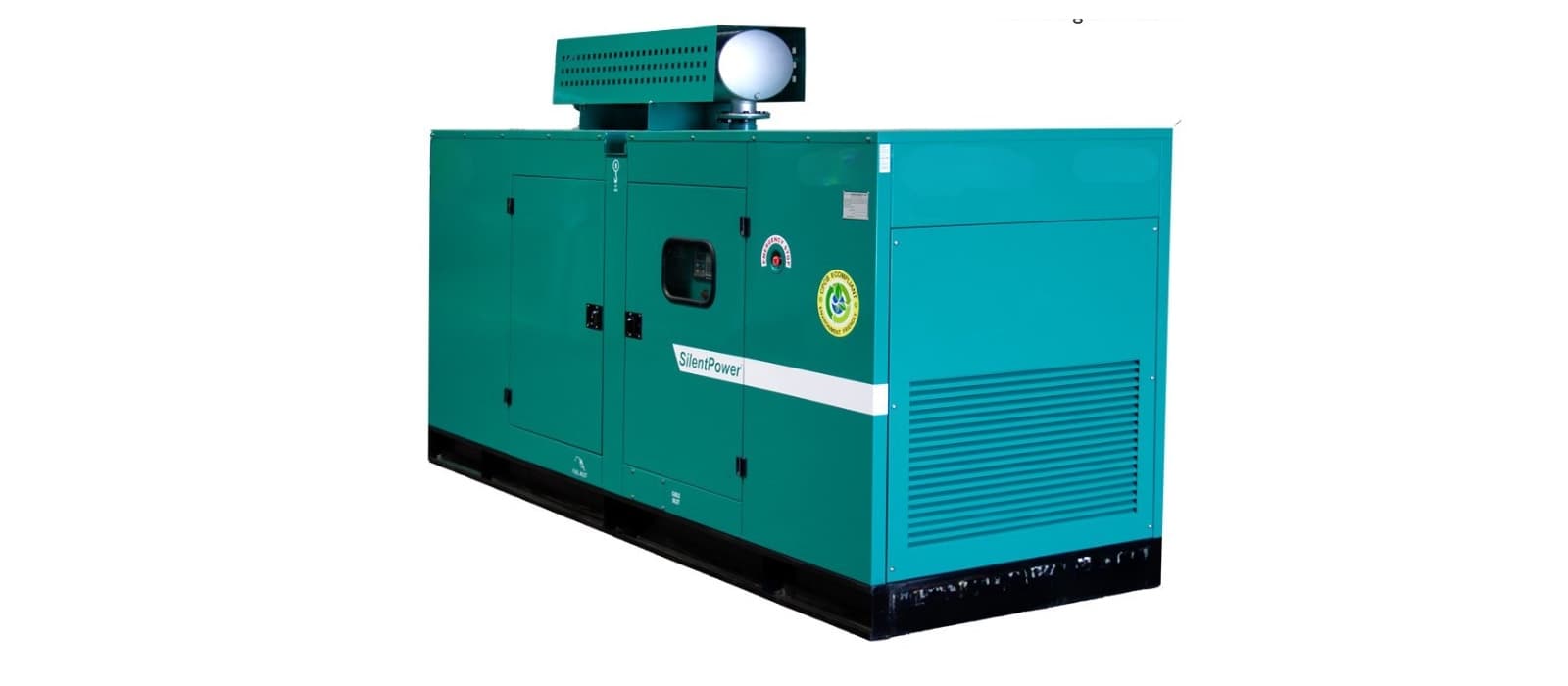
Diesel Generator vs Battery Storage vs Solar-Hybrid vs Gas Generator: Which Backup Fits Your Business
GensetPedia Technical Desk · · 9 min read
The take
Diesel generators, battery storage, solar-hybrid systems, and gas generators each win on different axes — footprint, flexibility, cost, reliability, and India-specific suitability — and none of the three alternatives to diesel are realistically positioned as a full replacement today. Diesel remains the reliable backbone for long-duration and mission-critical backup, while the alternatives are growing in specific complementary niches: short-duration urban use, sustainability-driven projects, and gas-infrastructure-rich metros.
Every few years, a new backup power technology gets discussed as the thing that will finally replace diesel generators. Battery storage, solar-hybrid systems, and gas generators are all real, maturing options — but a fair, side-by-side look at how each one actually performs shows why none of them are close to a wholesale replacement in the Indian market yet, and why "coexistence" is the more accurate word than "disruption."
The four options, compared honestly
Physical footprint. Diesel generators require dedicated space but are well-established in both urban and remote deployments, and scale predictably with proper planning. Battery storage systems are compact and quiet but need added infrastructure — inverters, cooling — that reduces their space advantage in practice. Solar-plus-battery requires a genuinely large area for panels plus battery housing, and installation complexity increases with scale. Gas generators have a smaller footprint than diesel, but safety protocols and ventilation requirements add back some of that saved space.
Flexibility. This is where diesel's advantage is largest and least contested: diesel gensets perform reliably across urban, rural, and off-grid areas alike, and scale cleanly from small residential setups to industrial loads. Battery storage is limited to grid-connected environments and impractical for remote or high-load use cases. Solar-plus-battery is dependent on weather and daytime availability, with limited flexibility during prolonged or overnight outages. Gas generators are viable only where gas supply is reliable — mainly urban industrial zones — which rules them out for a large share of India's actual outage-prone geography, per our regional outage data.
Cost-effectiveness. Diesel has a proven low lifecycle cost in high-power, long-duration scenarios, and remains widely used across commercial, manufacturing, and critical sectors specifically because that cost profile holds up at scale. Battery storage is cost-suitable only for short-duration needs, since replacement frequency driven by battery life cycles adds up over time. Solar-plus-battery is costly to deploy and maintain, generally a better fit for sustainability-focused projects than pure practical backup economics. Gas generator cost performance is variable, dependent on fuel supply logistics and pricing stability.
Reliability and runtime. Diesel gensets are highly reliable during long outages, capable of running continuously for hours or days provided fuel is available — making them the default for mission-critical sectors where an outage lasting longer than a few hours simply cannot be an acceptable outcome. Battery storage is reliable only for 2-4 hours, with recharge delays making it unsuitable for extended outages. Solar-plus-battery performance varies with weather, with inconsistent output in cloudy or night-time conditions. Gas generators offer moderate runtime but remain vulnerable to gas supply interruptions — the same dependency risk covered in our fuel-type comparison.
Suitability in India specifically. Diesel is optimal for India's diverse and growing power backup needs — airports, data centres, hospitals, farms, metros, and more — precisely because of its flexibility across geography and duration. Battery storage is best suited for controlled urban environments with low power needs and limited outage duration. Solar-plus-battery is ideal only for niche applications with strong sustainability goals and stable climate conditions. Gas generators are limited to metros with access to piped gas and robust supporting infrastructure.
Why "complementary" is the accurate framing, not "competing"
None of the three alternatives to diesel are positioned — by the market or by the technology itself — as a full replacement. Battery-based systems, ranging from lithium-ion and lead-acid batteries in modern UPS setups to emerging containerized Battery Energy Storage Systems (BESS), are finding real niches in specific applications like data centres, smart cities, and renewable-integrated infrastructure. But BESS and other renewable storage solutions remain in the nascent stages of adoption in the Indian context specifically, held back by high initial costs, limited domestic manufacturing capacity, and the need for further regulatory support. Realistically, these backup power technologies are estimated to need several more years to achieve cost parity and operational reliability genuinely comparable to diesel and gas-based systems, especially in critical infrastructure and commercial segments.
Where each alternative is actually winning ground today
This isn't a story of alternatives failing to gain traction — they're growing, just in specific lanes rather than broadly displacing diesel:
- BESS and UPS systems are gaining real adoption for load balancing and energy efficiency in commercial and IT settings, where outage durations are typically short and predictable.
- Solar-hybrid systems are additive rather than substitutional in IT parks and environmentally conscious commercial developments — pairing with diesel rather than replacing it, reducing runtime hours without eliminating the need for a diesel backstop.
- Data centres specifically allocate a meaningful 10-15% of overall backup infrastructure investment to alternative and redundant systems, reflecting a genuine multi-technology approach rather than a single-technology bet — a pattern that connects directly to the redundancy planning covered in our data center genset sizing guide.
Beyond the four covered here
The alternatives landscape isn't static — newer approaches like microturbine-based jet gensets and deeper hybrid integration are actively emerging as the industry evolves, particularly for mission-critical sectors like data centres, telecom, and infrastructure that are willing to invest in more sophisticated multi-technology backup architectures. None of these emerging approaches currently change the core comparison above; they're refinements within the same broad categories rather than a genuinely new fifth option. The practical guidance stays the same regardless of which specific technology variant a vendor is pitching: evaluate against your actual footprint, flexibility, cost, and reliability requirements rather than assuming the newest technology is automatically the right fit.
How to actually use this comparison
If you're evaluating backup power for a new site, the useful question isn't "which technology wins" — it's which of these five dimensions (footprint, flexibility, cost, reliability, and India-specific suitability) matters most for your specific situation, and whether a hybrid approach beats a single-technology answer. A retail store with short, predictable outages and grid-connected urban infrastructure might reasonably lean on battery storage or a solar-hybrid system. A hospital, data centre, or manufacturing plant with zero tolerance for extended downtime should treat diesel as the backbone, with alternatives as a genuine but secondary layer, not the primary plan. Run your actual requirement through our load calculator, and if diesel remains the right core answer for your situation — which it will be for most critical and off-grid applications — compare specific models through our comparison tool.
Comparisons in this article are compiled from third-party industry research and are presented for informational context — always verify current technology costs and specifications with a qualified vendor before deciding.
Why it matters
Buyers sometimes frame backup power as a single technology choice, influenced by headlines about battery storage or solar disrupting diesel. A side-by-side comparison against the actual dimensions that matter — runtime, weather-dependency, upfront cost, and India's specific grid and infrastructure reality — shows why that framing is misleading for most real-world backup needs, and helps buyers evaluate a genuinely hybrid approach instead of chasing a single 'best' technology.
Frequently asked questions
Can battery storage replace a diesel generator entirely?+
Not for most applications currently. Standalone battery storage is typically reliable for only 2-4 hours before recharge delays become a problem, making it unsuitable for extended outages. It's best suited for controlled urban environments with low power needs and limited outage duration — a complement to diesel backup for short gaps, not a replacement for it.
Is solar-hybrid backup power practical for most Indian businesses?+
Solar-plus-battery systems are currently best suited to niche applications with strong sustainability goals and stable climate conditions, since performance varies significantly with weather and is inconsistent in cloudy or night-time conditions. They're generally used additively alongside diesel gensets — reducing runtime hours — rather than as a standalone backup solution.
Why hasn't battery storage or solar replaced diesel gensets in India yet?+
High initial costs, limited domestic manufacturing capacity for battery systems, and the need for further regulatory support all slow adoption. Industry estimates suggest these technologies may need several more years to reach cost parity and operational reliability comparable to diesel and gas-based systems, particularly for critical infrastructure and commercial applications.
Found this useful?
Follow GensetPedia on LinkedIn for more genset buying guides and industry data.
Get the weekly digest
New buying guides and market data, once a week — no spam.